Country
We are part of our Country and our Country is part of us. Bunjil the creator, made the land, waterholes, animals and plants and gave Wotjobaluk Peoples the responsibility to look after our Country and culture and keep it healthy and strong. Country heals us and connects us to our dreaming stories, to our Ancestors and spirits.


Water is Life
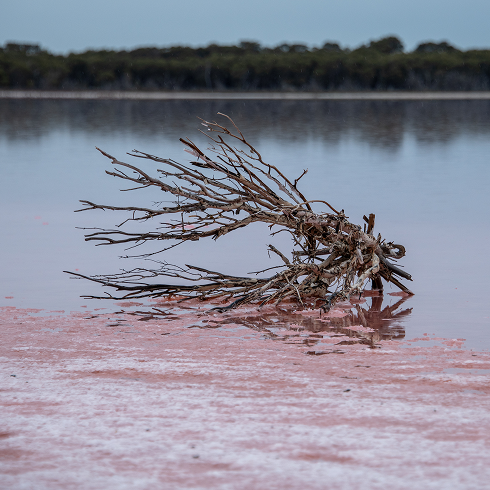
Water is Life is an initiative developed by the Victorian Government in partnership with Traditional Owner Nations, that recognises water as central to culture, Community and Country. It establishes a clear pathway toward water justice, supporting Traditional Owners to have stronger roles in water access, management, and cultural wellbeing.
Key elements of the program include:
- Enabling Traditional Owners to make decisions about water management on their lands.
- Increasing access to water entitlements to support cultural practices, land management, and environmental flow needs.
- Ensuring accountability in the water sector through ongoing partnerships and transparent implementation.

Cultural Heritage Services
The Wotjobaluk, Jaadwa, Jadawadjali, Wergaia and Jupagulk Peoples of the Wotjobaluk Nations (known collectively as the Wotjobaluk Nations Peoples) are represented by the Barengi Gadjin Land Council Aboriginal Corporation (BGLC). BGLC is the Registered Aboriginal Party (RAP) under the Aboriginal Heritage Act 2006 (The Act), appointed for Wotjobaluk Country. The Wotjobaluk Nations Peoples are also recognised as the Traditional Owners of Wotjobaluk Country under the Native Title Act 1993 (Commonwealth), and the Traditional Owner Settlement Act 2010 (Vic).

Consultation Services
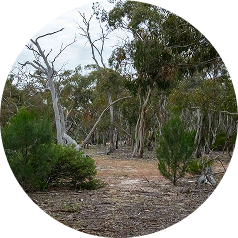
For cultural heritage meetings or projects on Wotjobaluk Nations Country involving cultural heritage matters.


Fieldwork Services
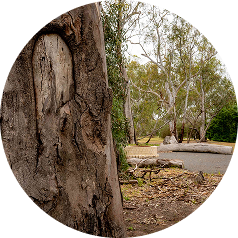
To request BGLC participating in a Cultural Heritage Management Plan, please fill out the Fieldwork form.





Cultural Fire Program
BGLC’s Cultural Fire Program continues over 60,000 years of successful land management. Led by Wotjobaluk, Jaadwa, Jadawadjali, Wergaia and Jupagulk Traditional Owners, cultural burning supports healthy landscapes, protects important places, and strengthens our connection to Country and each other.
Community is invited to join us on Country, share knowledge, and be part of keeping these practices alive for future generations. If you are a Wotjobaluk Nations Person and are interested in attending future Community Cultural burns please let the BGLC engagement team know.



Map of Wotjobaluk Country
& Key Sites
Across Wotjobaluk Country are places of deep cultural, spiritual, and historical significance. These landscapes, waterways, and gathering places hold creation stories, law, and knowledge passed down through countless generations.
Some are tied to ceremony, others to seasonal food sources, trade routes, or events that shaped our shared history. Many remain central to our cultural identity and responsibilities to care for Country.

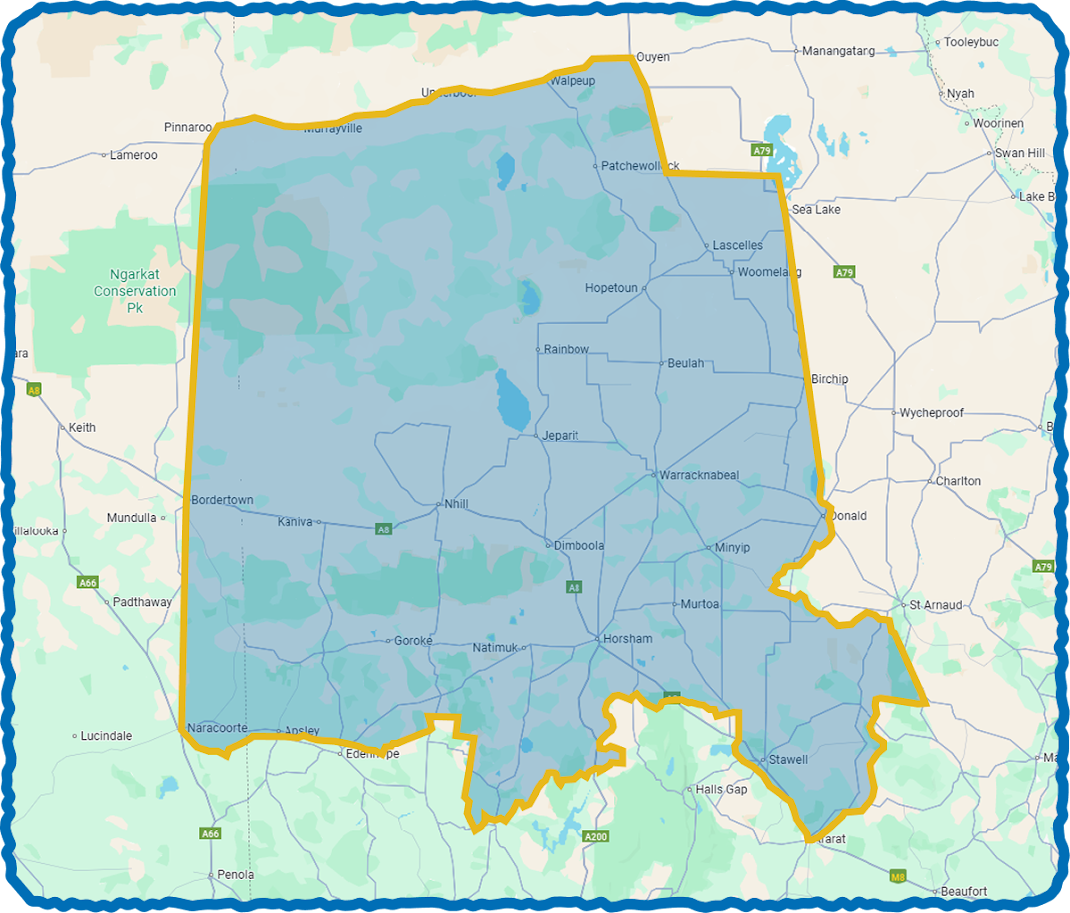

click to preview map


Dyurrite
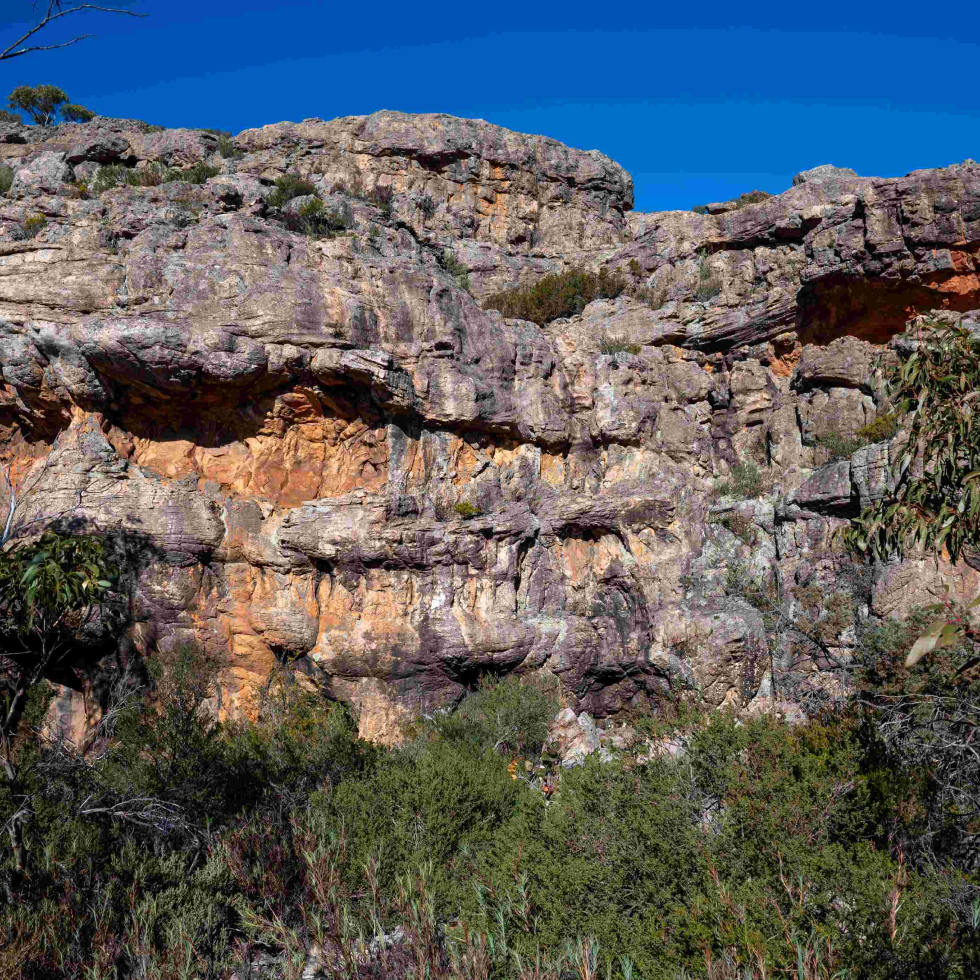
Dyurrite is not just a place; it is a place of deep cultural and spiritual significance for the Wotjobaluk Nations People. For countless generations, Dyurrite and Mitre Rock have been central to ceremony, story, and identity. The area’s hard sandstone formed the foundation of one of Australia’s largest stone quarry complexes, and surveys have re-unearthed tens of thousands of artefacts, rock art, scarred trees, and shelters that testify to our enduring presence. Dyurrite is a living cultural landscape, one that bridges past and present.




The Ranch
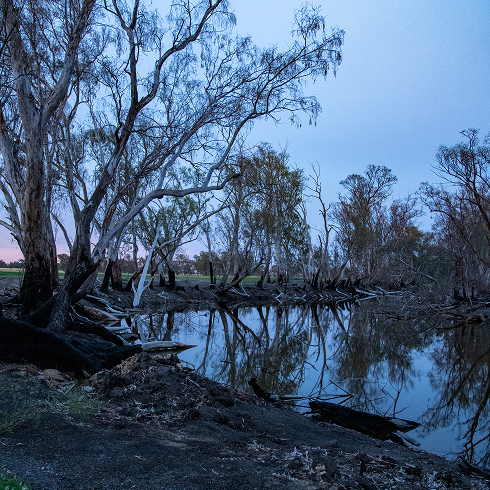
The Ranch and Billabong, located on the western edge of Dimboola beside the Wimmera River, has been home to many generations of Wotjobaluk, Jaadwa, Jadawadjali, Wergaia and Jupagulk Peoples both before colonisation and increasingly after the closure of Ebenezer Mission. For generations, both prior to colonisation and in the decades that followed, after many of our people were forcibly removed from other parts of Country, it was a home where children were born and raised, stories were shared, and the billabong provided food, connection, and a place to come together.
Registered with Aboriginal Victoria as an Aboriginal Place, it is a rare surviving example of a “fringe camp,” with the standing structure known as The Ranch still holding the memories of those who called it home. It remains a place of deep cultural, historical, and personal significance for the Wotjobaluk, Jaadwa, Jadawadjali, Wergaia and Jupagulk Peoples.
Important note: The Ranch and Billabong is a culturally significant site and is not open to the general public. Wotjobaluk Nations People who want to visit the Ranch and Billabong can contact the office at admin@bglc.com.au


Ebenezer Mission
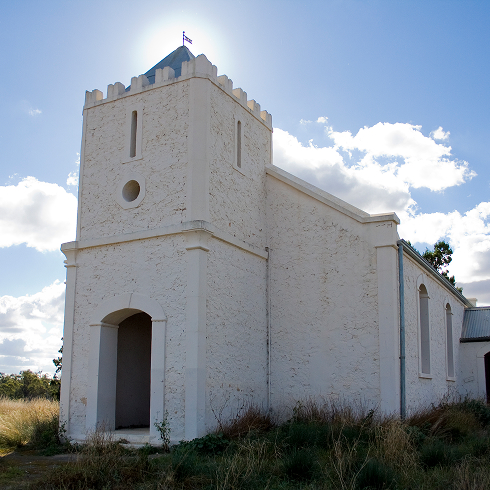
Ebenezer Mission, established in 1859 at Antwerp on Wotjobaluk Country, was built on a site that had been a major gathering and ceremonial place for countless generations of Wotjobaluk, Jaadwa, Jadawadjali, Wergaia and Jupagulk Peoples of the Wotjobaluk Nations. While Moravian missionaries discouraged cultural practices such as language, dance, song, and traditional marriage, the mission remained a place where kinship networks, cultural connection, and community persisted. Even during its operation, Wotjobaluk, Jaadwa, Jadawadjali, Wergaia and Jupagulk Peoples continued to move on and off the mission to work on nearby pastoral stations, and corroborees were still recorded as late as 1867.
At its peak, Ebenezer covered more than 900 hectares. After its closure in 1904, some families were moved to other missions, while others remained in the area and maintained cultural knowledge and connection to Country. Today, Ebenezer is recognised as a place of great cultural and historical significance for the Wotjobaluk Nations, a reminder of both the impacts of colonisation and the resilience of Community and culture.
Important note: Ebenezer Mission is a culturally significant site and is not open to the general public.




© 2025 BGLC. All rights reserved.