Services
Barengi Gadjin Land Council fulfils statutory and cultural responsibilities on behalf of the Wotjobaluk Nations, as recognised under the Traditional Owner Settlement Act 2010 (Vic). We protect Country, uphold Cultural Heritage, and ensure Traditional Owner rights are respected.

Cultural Services
BGLC offers a range of Cultural Services that honour and share Wotjobaluk Nations culture. These services connect people to Wotjobaluk Country and ensure that cultural protocols are observed. All services are shaped and led according to the knowledge and aspirations of Wotjobaluk, Jaadwa, Jadawadjali, Wergaia and Jupagulk Peoples, ensuring cultural authority and community-led stewardship.
Welcome to Country & Smoking Ceremony


Cultural Competency Training
Tailored programs that deepen understanding of Wotjobaluk Nations’ heritage, values, and protocols, equipping participants with the knowledge to engage respectfully and meaningfully.
For more information: email engage@bglc.com.auRAP Plan Consultation
We work closely with communities and stakeholders to develop and review their Reconciliation Action Plan. These consultations ensure that cultural heritage and self-determination are central to all decisions affecting Wotjobaluk Country.
For more information: email engage@bglc.com.au


Cultural Heritage Services
The Wotjobaluk, Jaadwa, Jadawadjali, Wergaia and Jupagulk Peoples of the Wotjobaluk Nations (known collectively as the Wotjobaluk Nations Peoples) are represented by the Barengi Gadjin Land Council Aboriginal Corporation (BGLC). BGLC is the Registered Aboriginal Party (RAP) under the Aboriginal Heritage Act 2006 (The Act), appointed for Wotjobaluk Country. The Wotjobaluk Nations Peoples are also recognised as the Traditional Owners of Wotjobaluk Country under the Native Title Act 1993 (Commonwealth), and the Traditional Owner Settlement Act 2010 (Vic).

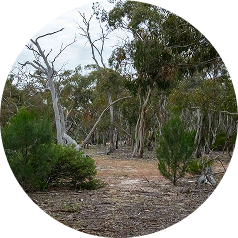
Consultation Services
For cultural heritage meetings or projects on Wotjobaluk Nations Country involving cultural heritage matters.


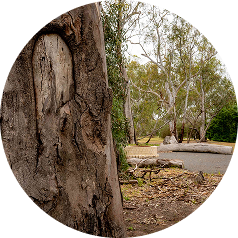
Fieldwork Services
To request BGLC participating in a Cultural Heritage Management Plan, please fill out the Fieldwork form.




Request a Name in Language
Wergaia Language Naming Requests
Wergaia language holds the stories, knowledge, and spirit of Wotjobaluk Country. Though colonisation tried to silence it, our words have endured, carried by Elders, songs, and Country. Naming streets, projects, and places in Wergaia honours our Ancestors and keeps language alive.
If you would like to request a Wergaia language name, please download the request form, save it to your device, complete all relevant fields, and submit it to language@bglc.com.au. As these requests require significant input and approvals, please allow several months for the process to be completed.
For questions, please contact our Language Team at
language@bglc.com.au





Engagement
Protocols FAQs
This section outlines the engagement requirements and cultural protocols for working with Barengi Gadjin Land Council to support respectful engagement on Wotjobaluk Nations Country.
What are the key principles for engagement?

Respect
- Always acknowledge Wotjobaluk, Jaadwa, Jadawadjali, Wergaia and Jupagulk Peoples as the Traditional Owners of Wotjobaluk Country
- Listen to and centre the voices of Wotjobaluk, Jaadwa, Jadawadjali, Wergaia and Jupagulk Peoples
- Recognise Barengi Gadjin Land Council’s authority to speak for Country and Culture
Free, Prior & Informed Consent
- All engagement must involve early, informed consultation
- Barengi Gadjin Land Council must have sufficient time and information to consider requests
- Consent must be voluntary and culturally informed
Benefit
- Engagement must result in tangible outcomes for Wotjobaluk Nations
- Embed strong engagement principles by involving Wotjobaluk Nations in meaningful decision-making, ensuring early and genuine consultation, and delivering tangible benefits. Tokenistic or symbolic-only consultation is not acceptable
When do I need to do a cultural consultation?
Engagement with Barengi Gadjin Land Council is required when any decision, project or communication may:
- Affect Wotjobaluk Country and/or the recognised rights of Wotjobaluk, Jaadwa, Jadawadjali, Wergaia and Jupagulk Peoples
- Refer to Cultural Knowledge, sites, or practices
- Involve interpretation, storytelling, research, or signage
- Cultural consultations may take several weeks or more. Early planning and respectful timelines are essential.
Contact engage@bglc.com.au as your first step.
What is a Welcome to Country?
A Welcome to Country is a cultural protocol delivered by an Elder or Traditional Owner appointed by Barengi Gadjin Land Council. It acknowledges your presence on Wotjobaluk Country and grants safe passage. Depending on what is happening in Community, there may be limited Elders available to undertake cultural services. We ask for patience and understanding as we respond to all requests.
When is it recommended to align with Wotjobaluk Nations Cultural Protocols?
- Large community gatherings and discussions
- Government launches or announcements
- Major public events and festivals
- Conferences, forums, and symposiums
- Ceremonies (e.g. citizenship, graduation)
- Events involving media, international guests, or schools
How to organise:
- Request through engage@bglc.com.au
- Minimum 14 days notice
- Fees available at < a href=”mailto:bglc.com.au”>bglc.com.au with Fees are $400 excl GST for Welcome to Country and $900 for Welcome to Country and Smoking Ceremony
- A cancellation fee of 50% of the booking fee will be charged if the event or activity is cancelled or postponed within 48 hours of the scheduled event or activity
Respecting the Ceremony:
- Do not film or photograph without permission
- Treat Elders and respected cultural leaders with respect
- Avoid interrupting the ceremony and ensure audience attention
What’s an Acknowledgement of Country?
An Acknowledgement of Country is made by non-Traditional Owners to show respect for the Original Custodians of the land, and should be given at the start of meetings or events.
How do I respectfully use cultural knowledge and/or intellectual property?
All forms of Wotjobaluk Nations cultural heritage — stories, language, artwork, names, songs, knowledge, practices — are protected by Barengi Gadjin Land Council. For First Nations Peoples, Intellectual Property refers to the rights to their cultural heritage, including language, stories, songs, artwork, ceremonies, knowledge, and practices. These are living expressions of culture that belong to the Community and must be protected, respected, and only shared with free, prior and informed consent and appropriate compensation. When seeking permission, you must clearly outline what you are requesting to use, how and where it will be used, where it will be stored, and for how long (its expected life).
Before using:
- Seek permission via engage@bglc.com.au
- A license may be required
- Barengi Gadjin Land Council will consult with the appropriate family group(s) Proper payment and attribution are required
When is an Acknowledgement of Country appropriate?
- All meetings, events, school assemblies, and public forums
- Any time Barengi Gadjin Land Council is hosting, attending, or being referred to
- In speeches, reports, documents, and presentations
What is some guidance for an Acknowledgement of Country?
An Acknowledgement of Country is a personal reflection. It recognises the Traditional Owners of the land and their continuing connection to Country, culture, and community. It should be authentic to you — not a script.
When preparing your own Acknowledgement, we encourage you to reflect on:
- Your relationship to this place and the people who care for it
- What it means to gather on land that was never ceded
- How your work intersects with or supports First Nations Peoples
- Your commitment to reconciliation, respect, and learning
Sample Acknowlegment
Today we gather on the lands of the Wotjobaluk, Jaadwa, Jadawadjali, Wergaia and Jupagulk Peoples, the Traditional Owners of this Country. I acknowledge their deep and ongoing connection to this place, to its lands, waters, skies and stories. I pay my respects to their Elders past and present, and I acknowledge that sovereignty was never ceded.
This guide reflects pronunciation advice from Community.
Wotjobaluk – Phonetic: WOT-jo-ba-lak
Jaadwa – Phonetic: JARD-wah
Jadawadjali – Phonetic: JARD-a-wa-JA-li
Wergaia – Phonetic: WUH-guy-ya
Jupagulk – Phonetic: JA-pa-galk


© 2025 BGLC. All rights reserved.